In this Blog Post:
AI-Powered Wearable Tech: Revolutionizing Health and Safety
In 2022, the global market for AI-powered wearables was valued at $15 billion, with an expected growth rate of 23% annually. This rapid expansion highlights the transformative role these devices play in health and safety. This article explores how AI in wearables is reshaping health monitoring and emergency responses, offering both security and peace of mind.
Introduction to AI in Wearable Tech: What Are AI-Powered Wearables?
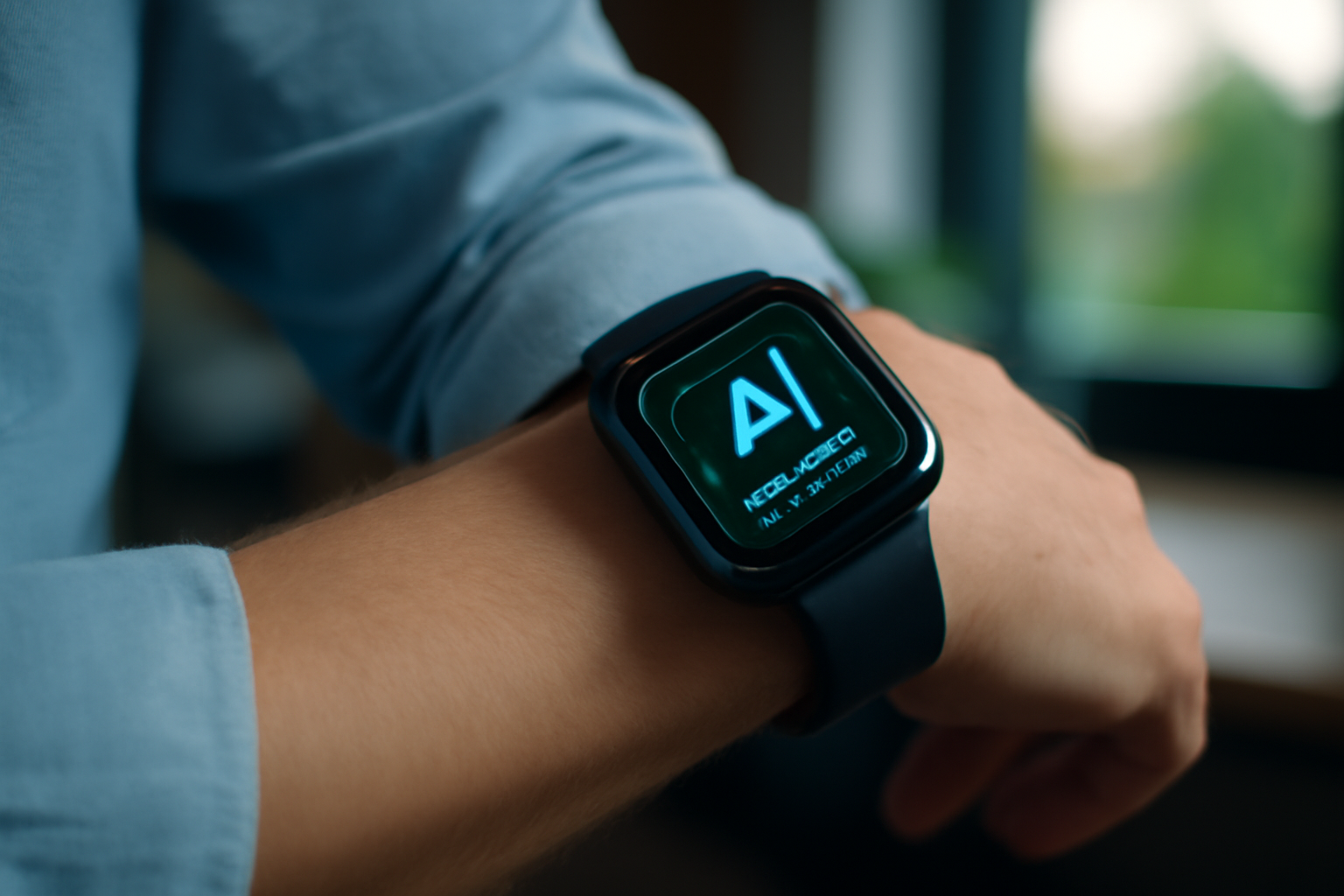
AI-powered wearables are devices like smartwatches and fitness trackers that use artificial intelligence to collect and analyze health data. These gadgets help users track their physical activity, heart rate, sleep patterns, and more, providing a comprehensive overview of their health status.
AI wearables offer a seamless integration of technology and health, ensuring users stay informed and secure.
Real-Time Health Monitoring: How AI Ensures Immediate Feedback and Tracking
AI wearables provide real-time health monitoring by continuously tracking vital signs and activity levels. These devices use advanced algorithms to interpret data and notify users of any irregularities.
How do AI wearables provide instant health feedback?
Using sensors and AI algorithms, wearables analyze data on-the-go, providing users with immediate health insights through smartphone apps or the device itself.
Real-time monitoring enables users to make informed decisions about their health, enhancing their overall well-being.
Emergency Response Features: AI’s Role in Detecting and Responding to Health Crises
AI in wearables plays a crucial role in emergency situations by detecting unusual patterns and alerting the user or emergency services.
Can AI wearables alert emergency services automatically?
Yes, many AI wearables can automatically contact emergency services if they detect critical health issues such as falls or heart attacks, using GPS and mobile networks for precise location tracking.
AI-enhanced emergency response features significantly improve safety by ensuring timely intervention during health crises.
Case Studies: Success Stories of AI Wearables Saving Lives
- Apple Watch: Detected a user’s atrial fibrillation, leading to a life-saving intervention.
- Fitbit: Alerted a user of a dangerously high heart rate, prompting medical attention that prevented a heart attack.
These examples illustrate the life-saving potential of AI wearables, highlighting their role as critical health tools.
Success stories of AI wearables demonstrate their capability to make real-time interventions, underscoring their value in health technology.
Future Innovations: What’s Next for AI in Wearable Technology?
The future of AI wearables promises even greater integration of health technology, with advancements in predictive analytics and personalized health recommendations.
What future trends are expected in AI wearables?
Experts anticipate developments in biometric sensors, AI-driven diagnostics, and integration with broader health ecosystems to provide even more tailored health management solutions.
Emerging trends in AI wearables are set to revolutionize health management, offering unprecedented levels of personalization and proactive care.
For more insights on AI wearables, explore our guides on health technology trends and the future of wearable tech.
Conclusion: Enhance Your Health and Safety with AI Wearables
AI-powered wearables have redefined health monitoring and emergency response, providing users with a sense of security through cutting-edge technology. As these devices continue to evolve, they will offer even more sophisticated health solutions. Consider integrating AI wearables into your daily routine to enhance your health and safety.
Techtography has been covering technology advancements since 2015, ensuring our readers stay updated on the latest trends.