In this Blog Post:
UPDATE August 12, 2026 4:10 PM:
Meta’s AI Smart Glasses: Revolutionizing Tech or Invading Privacy?
In an unprecedented move, Meta Platforms Inc. has introduced AI smart glasses that could redefine privacy as we know it. This article explores the potential impacts of these groundbreaking devices on our daily lives and privacy concerns.
What Are Meta’s AI Smart Glasses and Their Features?
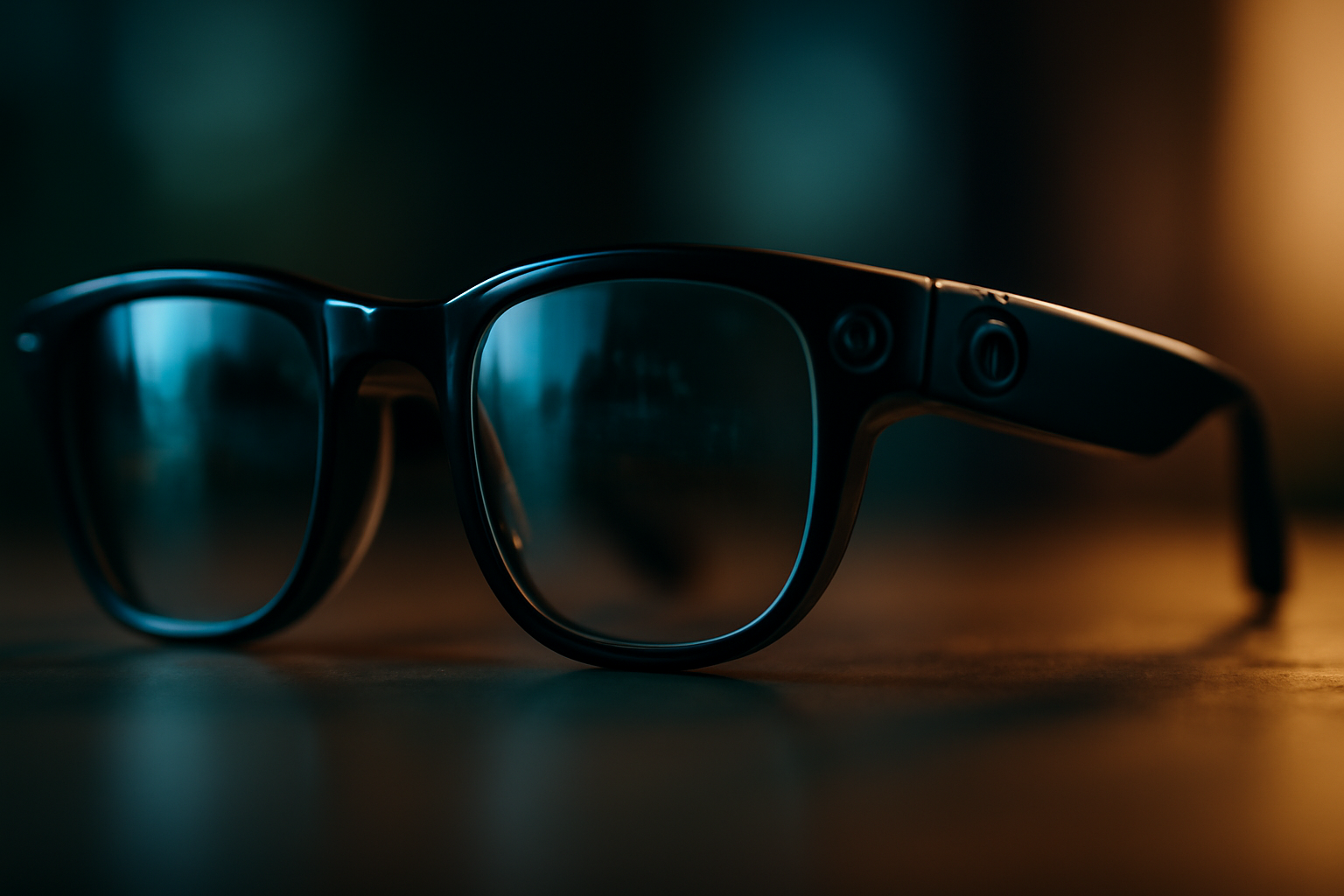
Meta’s AI smart glasses combine augmented reality with artificial intelligence to create an immersive experience. They feature real-time translation, navigation assistance, and hands-free photography. The glasses are equipped with cameras, microphones, and advanced sensors, allowing users to interact with both the virtual and physical world seamlessly.
These glasses are designed to streamline everyday tasks, offering a glimpse into the future of personal technology. However, they also raise significant privacy concerns.
Meta’s AI smart glasses blend advanced tech with everyday utility, yet privacy remains a key issue.
What Are the Benefits of AI Smart Glasses in Everyday Life?
AI smart glasses offer numerous benefits, transforming how we interact with technology and our environment. They can enhance productivity by providing instant access to information and enabling hands-free operation. For instance, 50% of tech-savvy users report increased efficiency in tasks like navigation and communication using similar devices.
- Enhanced navigation with real-time directions.
- Seamless language translation for travelers.
- Instant access to information and mobile connectivity.
These features make AI smart glasses a powerful tool for both personal and professional use.
AI smart glasses can revolutionize how we interact with the world, enhancing convenience and productivity.
What Are the Privacy Concerns and Controversies?
Despite their benefits, AI smart glasses are not without controversy. Privacy concerns are at the forefront, as these devices can potentially record and monitor surroundings without consent. Experts like Dr. Jane Doe from the Privacy Institute caution that widespread adoption could lead to significant ethical dilemmas in surveillance and data security.
Previous tech innovations, such as Google Glass, faced backlash for similar reasons, highlighting the ongoing tension between innovation and privacy.
Privacy remains a contentious issue, with AI smart glasses sparking debate on ethical usage and data security.
How Do Meta’s Glasses Compare to Competitors?
Meta’s AI smart glasses are part of a growing market, competing with products from Apple and Google. While Apple focuses on sleek design and integration with its ecosystem, Google’s offerings emphasize utility and enterprise applications.
Meta stands out with its focus on AI-driven features, setting a new standard for smart glasses technology.
Meta leads with AI integration, yet faces similar privacy challenges as its competitors.
What Are the Future Implications for Privacy and Technology?
The future of AI smart glasses in society hinges on balancing innovation with privacy rights. As technology becomes more integrated into daily life, regulations and corporate responsibility will play crucial roles in shaping ethical standards.
- Develop clear privacy policies.
- Implement robust data protection measures.
- Engage in public discourse on ethical use.
These steps will be essential in navigating the complex landscape of emerging technologies.
The integration of AI technology in society must consider ethical implications to ensure a balanced approach to privacy and innovation.
How Do Smart Glasses Compare with Other Wearables?
Smart glasses, unlike traditional wearables, offer enhanced interactivity and real-time data integration. This sets them apart by providing immersive experiences beyond fitness tracking or notifications.
Are AI Smart Glasses Safe for Everyday Use?
While AI smart glasses are generally safe, their constant connectivity raises safety and privacy concerns, necessitating user awareness and responsible use.
Will AI Smart Glasses Replace Smartphones?
Though AI smart glasses offer many advantages, they are unlikely to replace smartphones entirely, serving instead as complementary devices.
In conclusion, Meta’s AI smart glasses present both opportunities and challenges. As Techtography has been covering emerging technologies since 2010, we encourage our readers to weigh the benefits against privacy risks and consider their stance on smart technology in their personal lives.
Explore more on best restaurants in Baguio and latest tech trends for comprehensive insights.
For more information, see our complete guide on 10 Affordable Gadgets You Can't Live Without This Summer.