In this Blog Post:
UPDATE September 9, 2026 4:10 PM:
AI Glasses: Navigating Global Privacy Laws and Tech Innovation
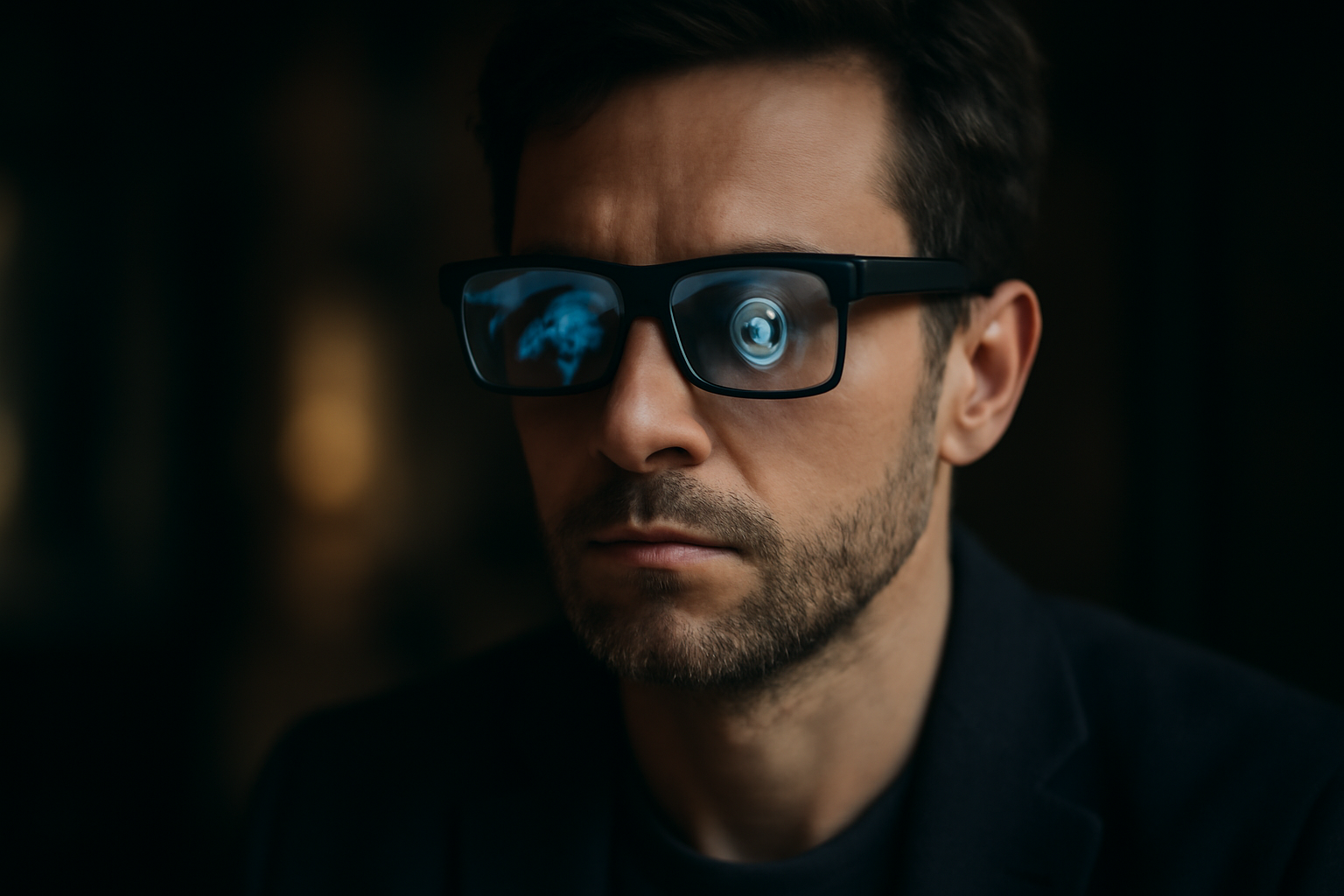
AI glasses, poised to revolutionize our daily lives with their augmented reality capabilities, are currently embroiled in complex legal battles worldwide. As these innovative devices gain traction, understanding the intricate web of global privacy laws becomes crucial for consumers and manufacturers alike. This article explores how privacy regulations are shaping the future of AI glasses technology.
Introduction to AI Glasses Technology and Its Applications
AI glasses, also known as augmented reality glasses, integrate advanced technology to overlay digital information onto the real world. These devices are used across various sectors, including healthcare, education, and retail, enhancing user interaction with their environment.
However, while the potential applications are vast, privacy concerns remain a significant hurdle for widespread adoption.
AI glasses offer transformative potential but face significant privacy challenges.
Overview of Current Privacy Concerns and Legal Challenges Faced by AI Glasses Manufacturers
AI glasses manufacturers, such as Meta, face numerous privacy-related challenges. These include legal cases pertaining to unauthorized data collection and surveillance. Privacy laws differ significantly across countries, complicating compliance for global companies.
For instance, in the United States, AI glasses must adhere to guidelines that protect user data, while in Europe, the GDPR imposes stringent data protection rules. Meta’s AI glasses have faced legal scrutiny due to potential violations of these regulations.
Privacy laws vary globally, presenting challenges for AI glasses manufacturers.
Case Studies of Countries with Strict Privacy Laws Impacting AI Technology
Countries like Germany and Australia exemplify strict privacy regulations that affect the deployment of AI glasses. Germany’s GDPR demands explicit user consent for data collection, while Australia’s Privacy Act requires transparency in data handling.
These regulations have led to legal cases where AI glasses were halted or modified to comply with local laws, highlighting the importance of understanding and adapting to regional privacy standards.
Strict privacy laws in some countries necessitate adaptations in AI technology deployment.
Potential Innovations in AI Glasses Technology Despite Legal Hurdles
Despite these obstacles, AI glasses technology continues to evolve. Innovations are focused on enhancing user privacy through on-device processing and anonymization techniques, minimizing data exposure.
Leading experts suggest that advancements in artificial intelligence and machine learning will enable more secure and user-friendly AI glasses, making them a viable option even in regions with stringent privacy laws.
Innovations in AI glasses aim to balance technology advancement with privacy protection.
Future Predictions for AI Glasses and Global Privacy Regulations
Looking ahead, AI glasses are expected to become more integrated into daily life, provided they align with evolving global privacy regulations. Increased collaboration between tech companies and regulatory bodies will likely lead to standardized privacy protocols.
Industry experts predict that as privacy laws become more harmonized, the market for AI glasses will expand, fostering further innovation and adoption.
The future of AI glasses hinges on the harmonization of global privacy laws.
What are recent legal cases involving Meta’s AI glasses?
Meta’s AI glasses have been subject to legal scrutiny due to privacy concerns, particularly in Europe under GDPR regulations, requiring adjustments to their data collection practices.
How do privacy laws differ across countries?
Privacy laws vary significantly, with the GDPR in Europe imposing stricter data protections compared to the more lenient guidelines in the United States.
What innovations are being made in AI glasses technology?
Innovations include on-device processing and anonymization to enhance user privacy, ensuring compliance with strict privacy laws.
In conclusion, AI glasses stand at the forefront of technological innovation but must navigate the complex landscape of global privacy laws. Techtography has been covering technology advancements since 2010, providing insights into how these developments will shape the future. Stay informed and support ethical AI advancements by understanding and advocating for transparent privacy regulations.
For more information, see our complete guide on 10 Affordable Gadgets You Can't Live Without This Summer.