In this Blog Post:
UPDATE August 12, 2026 4:10 PM:
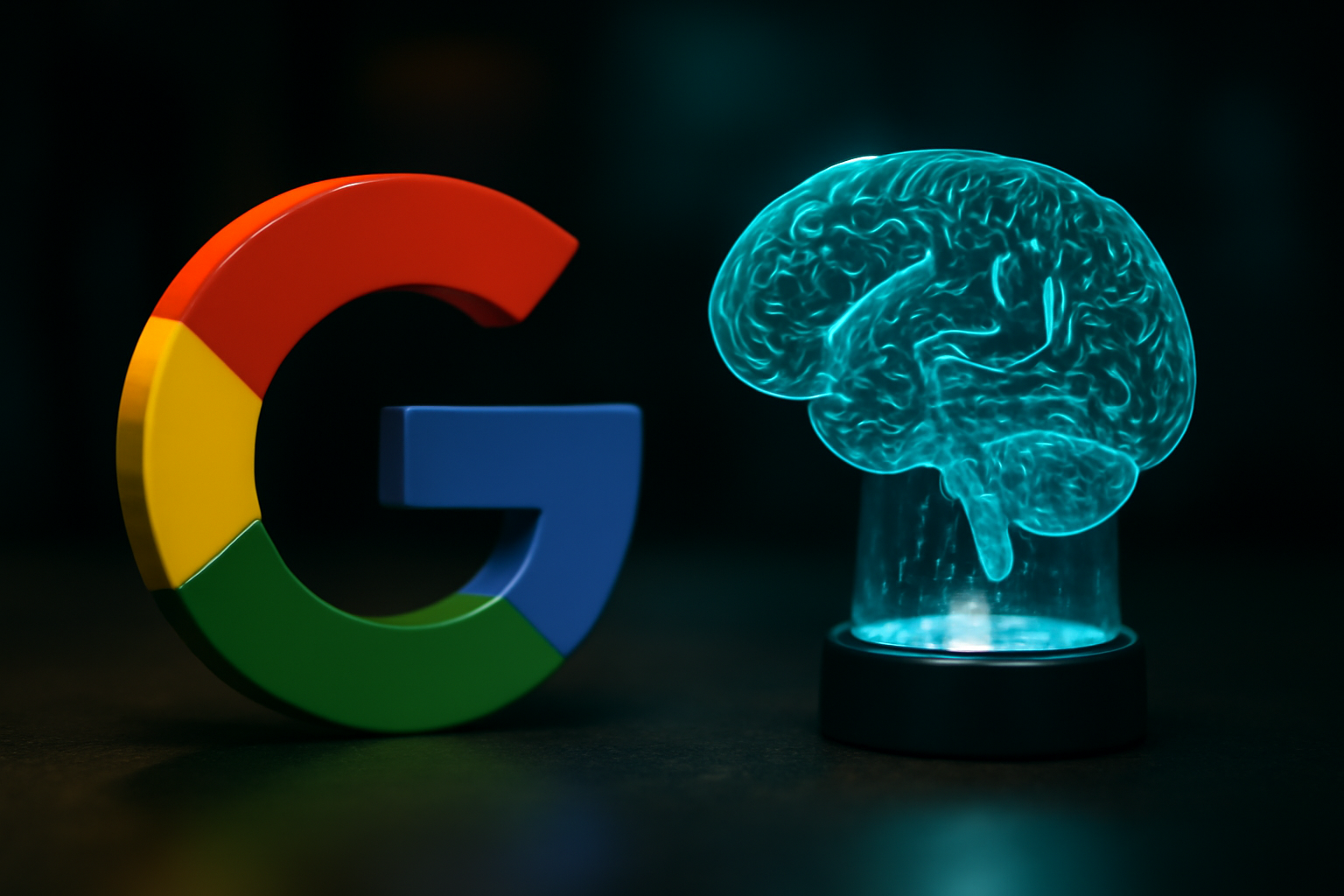
Google’s Transformation: From Search Engine to AI Powerhouse
With a staggering 92% market share in the global search engine market, Google has long been synonymous with internet search. However, the tech giant is now making a bold pivot towards becoming an AI powerhouse. This strategic shift is not only reshaping Google’s future but also the entire tech landscape.
Google’s Historical Dominance and Strategic Pivot
Google Inc. has dominated the search engine market for decades, leveraging its robust algorithms and user-friendly interface. Yet, as the digital ecosystem evolves, Google is strategically pivoting towards artificial intelligence to stay ahead of the curve.
By investing heavily in AI, Google is aiming to revolutionize how we interact with technology, making it more intuitive and seamless.
Google’s transition to AI is a calculated move to maintain its technological edge in a rapidly advancing digital world.
Key AI Initiatives: Gemini and Bard
Central to Google’s AI strategy are groundbreaking initiatives like Gemini and Bard. Gemini focuses on predictive models to enhance decision-making processes, while Bard is a natural language processing tool that aims to revolutionize human-computer interaction.
These technologies highlight Google’s commitment to advancing AI capabilities and integrating them into consumer and enterprise solutions.
Gemini and Bard represent Google’s forward-thinking approach to AI innovation.
Who are Google’s AI Partners?
Google has formed strategic partnerships with leading tech firms and academic institutions to bolster its AI development. Collaborations with companies like DeepMind and academic giants such as Stanford University spotlight Google’s dedication to AI excellence.
These partnerships enhance Google’s ability to innovate and apply AI across diverse fields, from healthcare to retail.
Google’s collaborations are pivotal in driving AI advancements and setting industry standards.
How Does Google’s AI Shift Impact Consumers?
Google’s AI transformation is poised to greatly influence consumer technology, privacy, and data usage. With AI-driven products, user experiences are becoming more personalized and efficient. However, this also raises concerns about data privacy and security.
Consumers must weigh the benefits of AI-enhanced services against potential privacy risks, as Google navigates these challenges with transparency and innovation.
The impact of Google’s AI initiatives is profound, offering enhanced user experiences but also necessitating careful consideration of data practices.
What Are the Implications for Competitors?
Google’s AI-centric strategy is setting a new benchmark for its competitors in the tech industry. Companies like Microsoft and Amazon are racing to match Google’s AI advancements, fostering a competitive environment that accelerates innovation.
As Google paves the way for AI integration, its competitors must adapt swiftly to maintain relevance in an AI-dominated future.
Google’s AI transformation challenges competitors to innovate rapidly, reshaping the tech industry landscape.
Conclusion: The Future of Google AI
Google’s foray into AI signifies a monumental shift in its corporate strategy, one that will undoubtedly influence daily technology use and privacy considerations. As Google continues to push the boundaries of AI, consumers and competitors alike must adapt to a new era of technological possibilities.
Reflect on how these advancements might affect your technological interactions and data privacy. Techtography has been covering tech innovations since 2015, providing insights into how these changes shape the world.
Explore more about technological transformations and learn how other companies are adapting.
For more information, see our complete guide on 10 Affordable Gadgets You Can't Live Without This Summer.