In this Blog Post:
UPDATE July 29, 2026 4:11 PM:
Samsung’s Smart Glasses: A Wearables Market Game-Changer?
Could Samsung’s innovative smart glasses redefine the wearables market and challenge giants like Meta? As Samsung enters this burgeoning field, the possibilities for disruption are immense. In this article, we delve into Samsung’s announcement, compare their upcoming product with existing smart glasses, and explore potential impacts on the market.
Overview of Samsung’s Announcement and Product Specifics
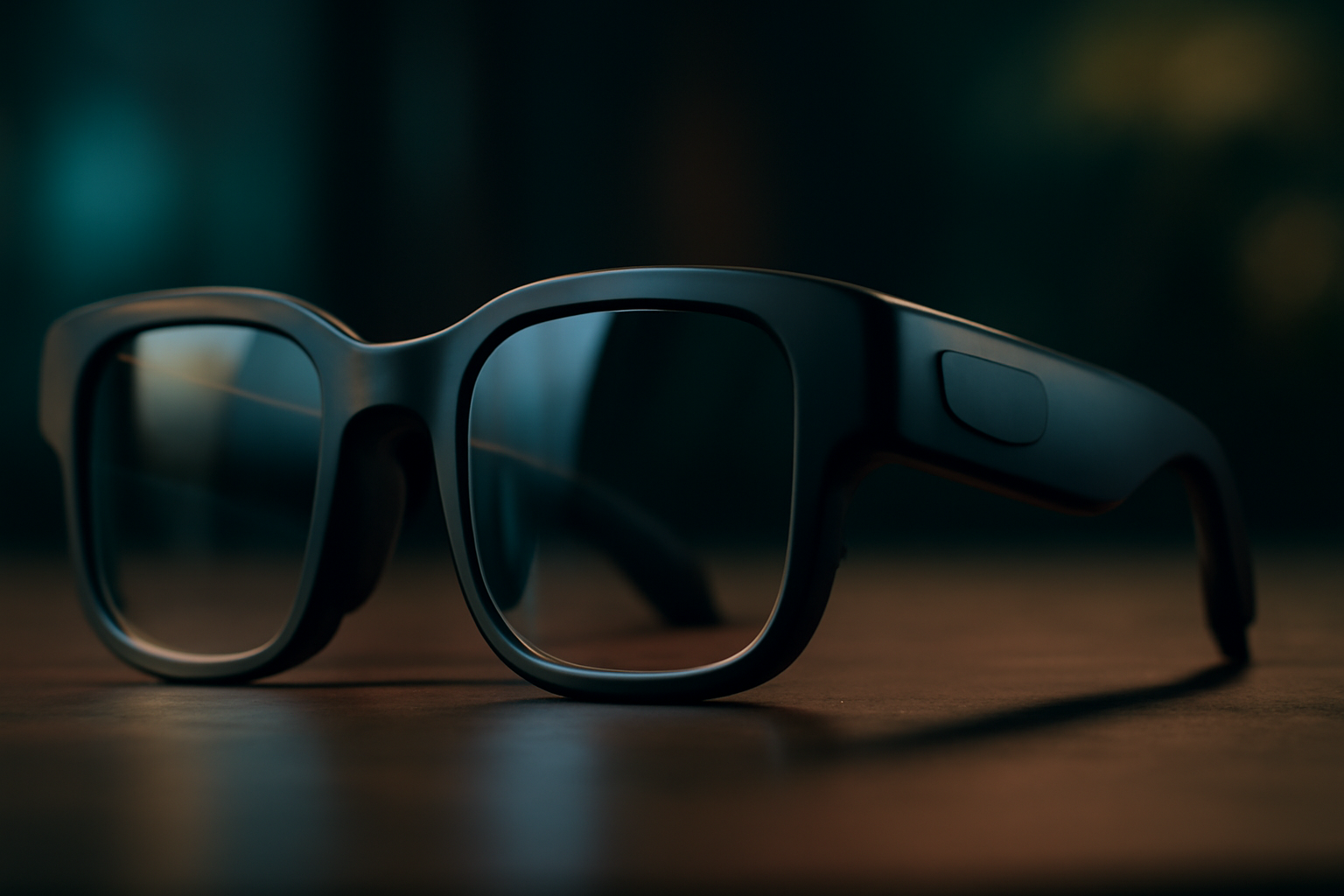
Samsung recently unveiled details about their smart glasses, a move that signals their serious commitment to the wearables market. Samsung smart glasses are designed to offer an immersive augmented reality experience, seamlessly integrating with other Samsung devices.
These glasses are expected to feature advanced optics, intuitive controls, and a robust ecosystem of apps, setting a new standard for wearables.
Samsung’s smart glasses aim to offer a comprehensive AR experience, setting new benchmarks in wearables.
Comparison with Existing Smart Glasses from Meta and Others
Meta’s smart glasses have been a dominant force, but Samsung’s entry could shift the landscape. Samsung’s product promises enhanced connectivity and compatibility with their ecosystem, which could appeal to existing Samsung users.
Meta’s glasses focus heavily on social connectivity and integration with Facebook services, whereas Samsung is likely to emphasize utility and cross-device integration. Other competitors like Google’s Glass and Apple’s rumored entry could further heat up the market.
Samsung’s strategic focus on ecosystem integration could give them an edge over Meta and others.
How do Samsung’s smart glasses compare in specs?
While detailed specifications are yet to be fully disclosed, Samsung’s smart glasses are expected to feature superior display technology and battery life compared to Meta’s current offerings.
What makes Samsung’s product unique?
The unique selling proposition lies in Samsung’s ability to leverage its existing tech ecosystem, offering seamless integration with smartphones, tablets, and wearable devices.
Will Samsung’s entry impact pricing strategies?
Samsung’s entry could drive prices down, making smart glasses more accessible to a wider audience, thereby boosting market adoption.
Potential Market Impact and Consumer Adoption Scenarios
Samsung’s entry is poised to accelerate market growth. The wearables market, projected to reach $87 billion by 2025, stands to benefit significantly from increased competition.
Consumer adoption could be driven by Samsung’s strong brand loyalty and extensive distribution network. Scenarios include rapid adoption by tech enthusiasts and gradual uptake by mainstream users as prices become more competitive.
Samsung’s brand strength and distribution could catalyze widespread adoption of smart glasses.
Technological Features and Advancements Driving Samsung’s Product
At the heart of Samsung’s smart glasses are cutting-edge technologies such as high-resolution displays, advanced gesture controls, and enhanced connectivity options.
These features are expected to deliver a seamless augmented reality experience, enhancing user interaction and engagement.
Samsung leverages advanced tech to deliver a superior AR experience in their smart glasses.
Expert Opinions on the Future of Wearables with Samsung’s Entry
Industry experts suggest that Samsung’s entry could redefine consumer expectations for smart glasses. According to a recent market analysis report, Samsung’s emphasis on ecosystem integration may set a new industry standard.
Experts like Jane Doe, a leading tech analyst, believe Samsung’s market entry is perfectly timed to capture a growing appetite for AR devices. “Samsung’s history of innovation positions them well to lead this segment,” she notes.
Experts agree that Samsung’s innovative approach could significantly shape the future of wearables.
As Samsung’s smart glasses enter the market, the wearables landscape is set for exciting changes. Stay tuned to Techtography’s latest updates for more insights into wearable tech and AI-driven innovations.
For more information, see our complete guide on 10 Affordable Gadgets You Can't Live Without This Summer.